The world atlas

The silks of South Asia.

From the shawls of Kashmir to the temple-bordered saris of Tamil Nadu, South Asia weaves some of the richest cloth in the world. Here are fifteen traditions, most of them in silk.

Map of South Asia with 15 silk and textile traditions pinned by town Numbered pins mark where each tradition comes from. The colors follow the key below the map, and the numbers match the list. INDIA PAKISTAN NEPAL SRI LANKA CHINA AFGHANISTAN ARABIAN SEA BAY OF BENGAL INDIAN OCEAN 1 2 3 4 5 6 7 8 9 10 11 12 13 14 15
Silk weavingIkat, printed and dyedWool, cotton and embroidery Numbers match the list below. On a phone, swipe the map sideways. Map data: Natural Earth.

Fifteen silks and weaves, loom by loom.

Each illustration is drawn by Atlasana from the traditional designs. Real pieces vary from maker to maker, and every region has far more styles than we can show here.

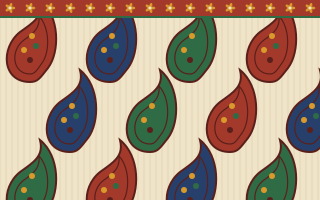
Kashmir shawl: rows of large paisley shapes in red, indigo and green on fine ivory pashmina, with a red flowered border
1Wool, cotton and embroidery

Pashmina and Kashmir shawls

Srinagar, Kashmir

Shawls of pashmina, the fine underfleece of Himalayan goats, spun and woven by hand. Kashmir shawls with paisley patterns, woven or embroidered, were prized across Asia and Europe in the 1700s and 1800s.
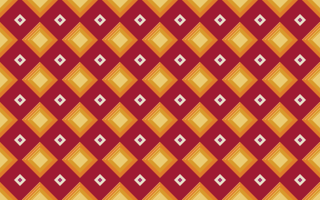
Phulkari embroidery: dense golden and orange diamonds stitched in silk floss on red hand-spun cotton
2Wool, cotton and embroidery

Phulkari

Patiala, Punjab

The name means flower work. Silk floss is darned through hand-spun cotton from the back, building dense geometric patterns that shine like gold. Traditionally made by women for weddings.

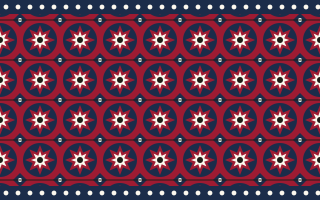
Ajrak block print: white and red stars in indigo circles set in a lattice on madder red, with indigo borders
3Ikat, printed and dyed

Ajrak

Sindh, Pakistan

Block-printed cloth dyed with indigo and madder in a long resist process, with stars, circles and lattices. It is worn and given as a gift across Sindh, and also made across the border in Kutch.

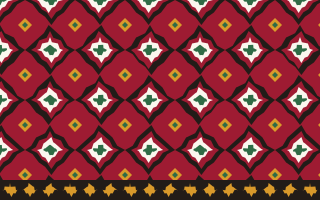
Patola double ikat: a lattice of stepped diamonds in black, white, green and gold with soft feathered edges on red silk
4Ikat, printed and dyed

Patola

Patan, Gujarat

Double ikat silk: both the warp and the weft are tie-dyed before weaving, so the pattern only appears as they meet on the loom. Only a few families still weave Patan patola, and one sari can take months.

Paithani silk: a magenta body with gold dots above a wide gold zari border of green peacocks and magenta lotus flowers
5Silk weaving

Paithani

Paithan, Maharashtra

Silk saris with tapestry-woven borders and end panels, famous for peacock and lotus motifs and for shot colors that change in the light.

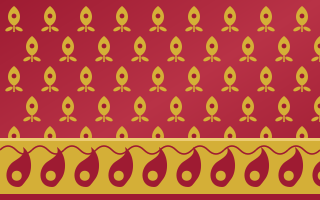
Banarasi brocade: deep red silk scattered with small gold zari flowers, above a gold border of red paisleys
6Silk weaving

Banarasi

Varanasi, Uttar Pradesh

Rich silk brocades woven with gold and silver zari thread. Their floral and paisley motifs show Mughal influence, and a Banarasi sari is a classic choice for weddings.

Chanderi weave: sheer pale silk and cotton dotted with small gold coin motifs, with a teal and gold border
7Silk weaving

Chanderi

Chanderi, Madhya Pradesh

Light, sheer fabric of silk and cotton with small gold motifs called buti. Weaving in the town goes back centuries, and its cloth was long a favorite of royal households.

Bhagalpuri tussar silk: a natural golden beige wild silk with a slubbed texture and a maroon striped border
8Silk weaving

Bhagalpuri tussar

Bhagalpur, Bihar

Tussar is a wild silk with a natural golden beige color and a slightly textured hand. Bhagalpur weaves so much of it that it is often called the Silk City.

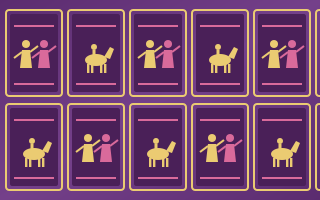
Baluchari silk: a purple end panel of framed scenes with small figures and horses woven in gold and pink silk thread
9Silk weaving

Baluchari

Bishnupur, West Bengal

Silk saris whose end panels show small framed scenes, often from the Ramayana and Mahabharata. The craft began in Murshidabad and was revived in Bishnupur in the 1900s.

Jamdani muslin: stepped diamond motifs in grey woven into sheer off-white cotton, with a dark border
10Wool, cotton and embroidery

Jamdani

Dhaka, Bangladesh

Fine cotton muslin with motifs woven in by hand, thread by thread, as the cloth grows on the loom. UNESCO lists the art of Jamdani weaving as intangible cultural heritage.

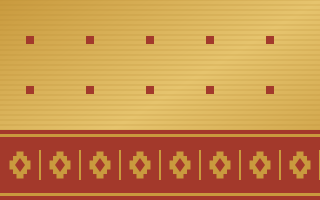
Muga silk: a naturally golden wild silk with a red border of stepped diamonds in Assamese style
11Silk weaving

Muga silk

Sualkuchi, Assam

A wild silk found only in Assam, with a natural golden sheen that is said to grow richer with each wash. Sualkuchi, a weaving town on the Brahmaputra, is a center of Assam silk.

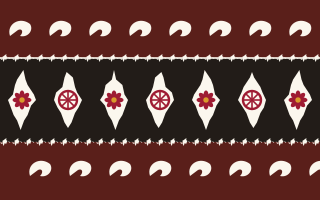
Sambalpuri ikat: a black band of white ikat diamonds with red wheels and flowers between maroon bands of white conch shells
12Ikat, printed and dyed

Sambalpuri

Sambalpur, Odisha

Ikat, known locally as bandha, in cotton and silk, with motifs such as the conch shell, the wheel and the flower. Every thread is tied and dyed before it goes on the loom.

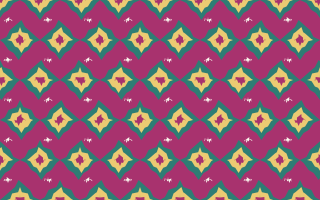
Pochampally ikat: rows of teal and yellow diamonds with feathered edges on bright magenta silk
13Ikat, printed and dyed

Pochampally ikat

Pochampally, Telangana

Bold geometric ikat in silk and cotton. The diamonds and zigzags get their soft, feathered edges from dyeing the threads before weaving, and Pochampally is one of India's best known ikat villages.

Mysore silk: smooth emerald green silk crepe with a soft sheen and a gold zari border with small red diamonds
14Silk weaving

Mysore silk

Mysuru, Karnataka

Smooth, light silk crepe with a soft sheen, usually in solid jewel tones with a border of gold zari. The royal family of Mysore promoted the craft, and the government silk factory there still weaves it.

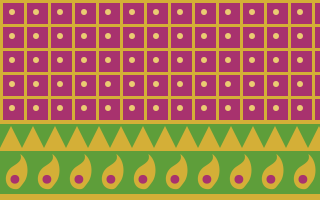
Kanchipuram silk: a magenta body with gold checks above a contrasting parrot green border of temple towers and gold mango motifs
15Silk weaving

Kanchipuram

Kanchipuram, Tamil Nadu

Heavy mulberry silk saris with wide borders in contrasting colors, sometimes woven separately and interlocked with the body. Temple towers, checks and mango motifs are classics.

Keep exploring the atlas.

Make, sell or buy. Start here.

Tell us which side you're on and what you're looking for. A real person reads every email and replies within one business day.